Smartphone Science with Soap Bubbles and CO2
Smartphone Science with Soap Bubbles and CO₂
Smartphone Science Lesson Ideas
Visit our Lessons page to learn about 60+ ideas for enhancing teaching and learning with smartphone science.
In the Classroom
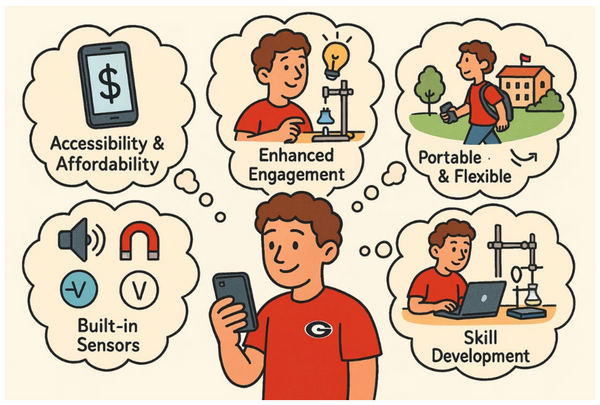
Smartphone-Based Undergraduate Physics Labs: A Review
"Evidence from assessment studies demonstrates that SmartIPLs [smartphone-integrated physics labs] yield comparable or superior outcomes to traditional labs in terms of conceptual understanding, science process skills, student motivation, and gender equity.."

Using a Smartphone Barometer to Measure the Excess Pressure of a Soap Bubble
How does the pressure inside and outside of a soap bubble compare as a function of their diameter? This clever lab requires only a plastic bag, straws, bubble solution, and a smartphone with a barometer!

Frequency Effect on Reactance in RC and RL Circuits - A Smartphone Approach
By connecting two smartphones using Physics Toolbox and phyphox, "This paper presents a new and successful methodology for determining the frequency effect on capacitive and inductive reactance in RC and RL series circuits"

Disruptive Online Learning in Engineering: Enhancing Education with Mobile Sensors and Physics Toolbox
"Results indicate that the experimental group achieved higher learning outcomes, increased engagement, and enhanced cognitive processing."
In the News
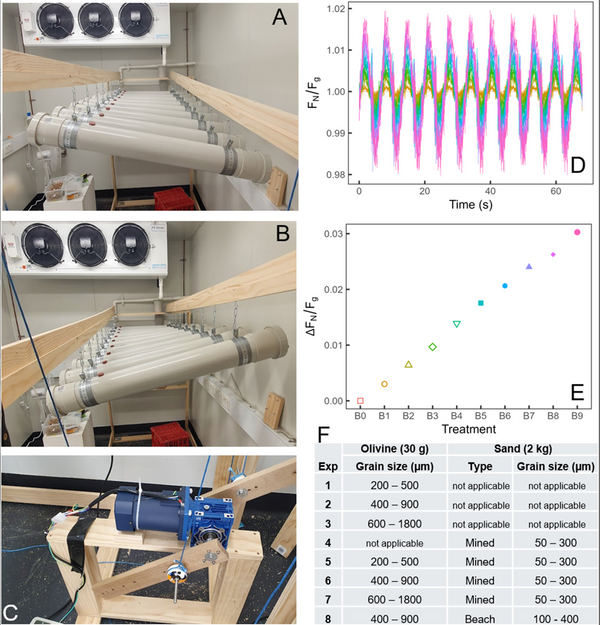
Wave Action, Olivine-Based Sand, the CO₂ Removal Tests
Scientists used Physics Toolbox to quantify modeled "wave action" on olivine, a rock that can leach chemicals into the ocean and produce carbon dioxide-absorbing reactions.
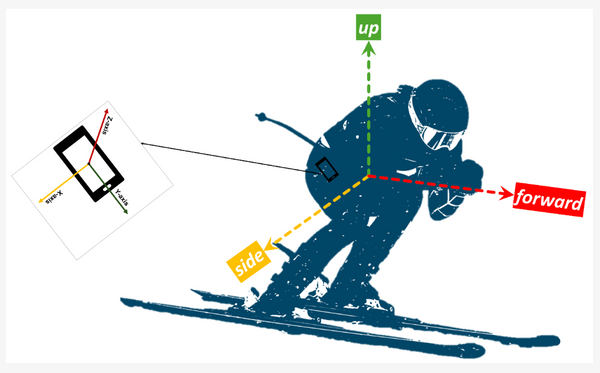
Motion Analysis in Alpine Skiing
Using smartphones, "This study explains the impact of sensor placement and orientation on the captured signals and proposes a preprocessing algorithm that can rotate raw signals from various locations and orientations similar to those near the Center of Mass (CoM)."

Can We Estimate Motion Sickness Severity in Car Passengers Based on Individual Head Dynamics?
A study of car acceleration with Physics Toolbox found that "Incorporating motion sickness prediction models in vehicles, based on the measurement of head movements, might improve detection of the escalation of symptoms in car passengers."
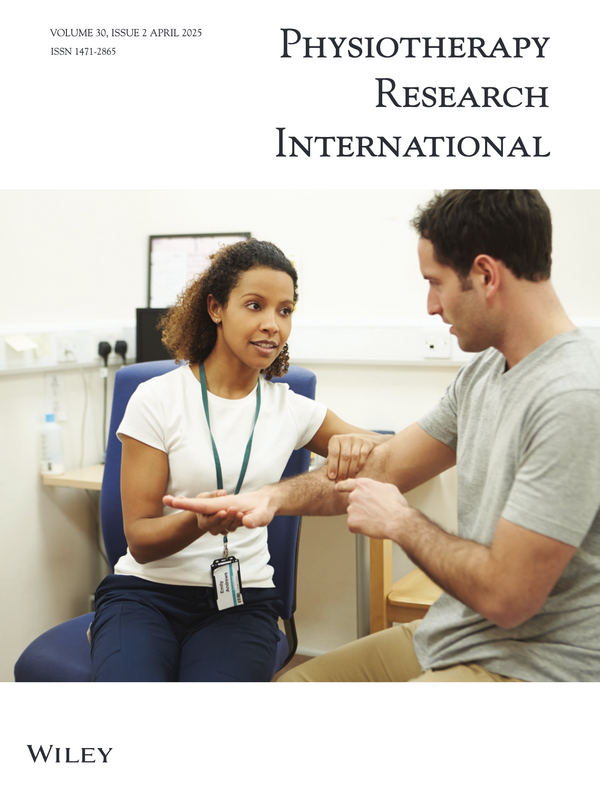
Timed Up and Go: A Study on Head Rotation and Stability
Patients with vestibular balance disorders are often asked to stand up from a seat, walk, turn, and return to their seat. Using the smartphone gyroscope, "The 180° turn time might be used to document how individuals with vestibular disorders improve over time."
Have Physics Toolbox Apps been useful to you? We'd love to get your feedback on this quick 5-minute survey.
Have a great story to share about how you are using Physics Toolbox Apps? We'd love to feature you and your ideas in our newsletter or on our website! Drop us a message at any time to share your story.
Previous Newsletter Editions