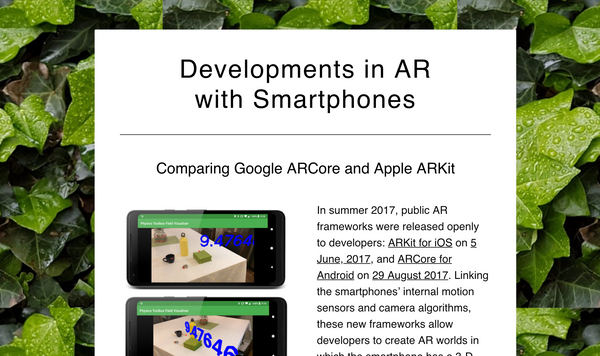
Physics at the Fair
Physics at the Fair
Physics Toolbox STEM Challenge at the
Arizona State Fair

This past October, attendees at the Arizona State Fair (ASF) were invited to participate in a STEM Challenge using a new app from Physics Toolbox and a playing card found in the program. The activity invited attendees to find five signs located near rides of interest, answer some basic physics questions, and then use the app to engage in two data-verified challenges and win prizes, like free ride tickets. This experienced served as a prototype in advance of a grant proposal submission by Arizona SciTech to the National Science Foundation Advancing Informal STEM Learning (AISL) solicitation.
The idea for the ASF STEM Fair app is a collaboration between multiple partners, and is built on the gamified structure of Physics Toolbox Play.
If you weren't at the Arizona State Fair, that doesn't mean you can't try out the simple challenges!
Get ASF STEM Challenge for iOS
Get ASF STEM Challenge for Android
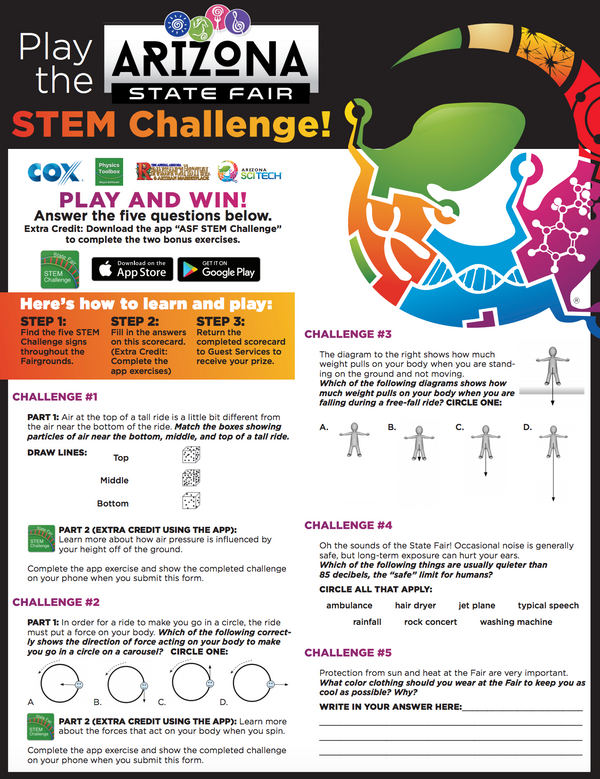
ARCore and ARKit Feature Sets Compared to Hamsters and DaVinci: How they see the world
In the previous entry of this blog series, we looked into the market share of each AR platform, device compatibility, and perceived developer interest. In this article we will look into the main feature set that ARCore and ARKit provide. Overall, both platforms offer the same feature set, but there are differences in how they categorize and name these features.

Color Detector and Audio Spectrum Analyzer
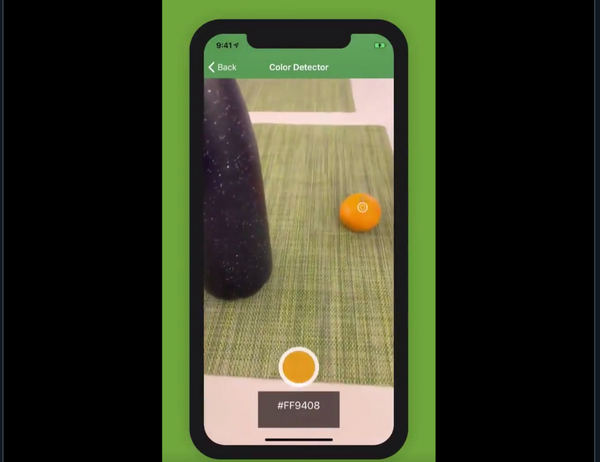
Physics Toolbox Sensor Suite for iOS now enhanced with the following:
- Color Detector
- Audio Spectrum Analyzer
Get Physics Toolbox Sensor Suite for iOS
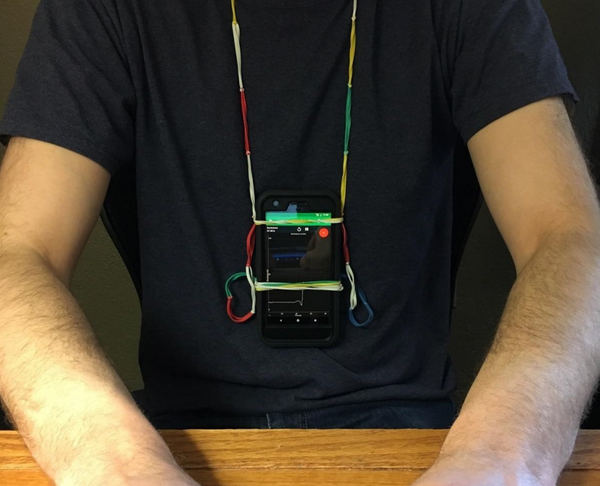
Apparent Weight in a Lift
Complement a traditional lab activity with graphical read-outs.
Physics Toolbox Around the Web
Researchers consider how eye tracking authentication mechanisms can be hacked by using varied lighting conditions, posting a risk to cybersecurity.
An Indonesian team uses evenly-spaced magnets along a track to measure the speed of a cart using a mounted smartphone magnetometer.
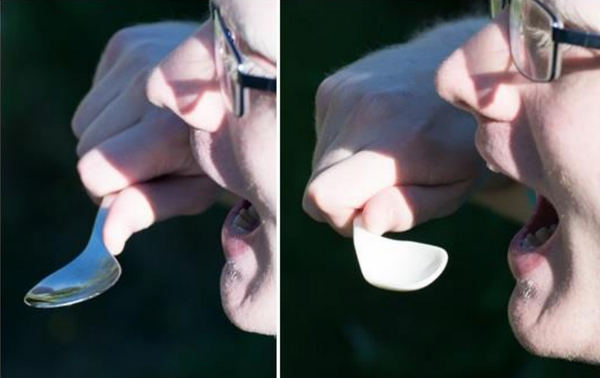
Physics Toolbox Inclinometer used in this article to design spoons better adjusted for those with limited mobility.
A long fluorescent bulb is used to model a simple inverse relationship for illuminance and distance from the source.
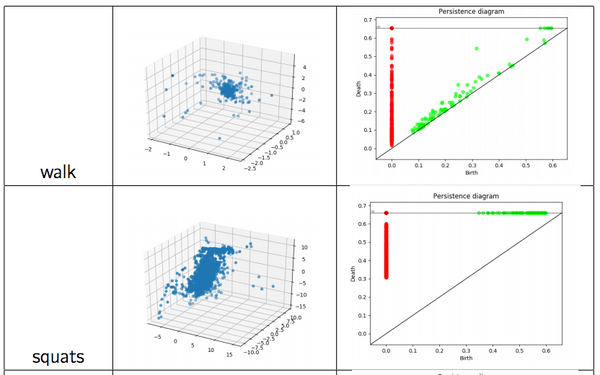
Smartphones provide robust movement data to understand various types of computational analysis in this tutorial from a faculty member of Swansea University in the U.K.
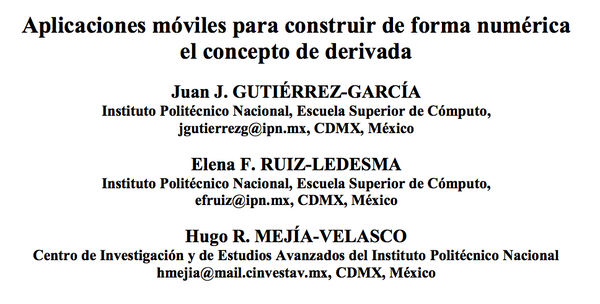
Support the understanding of derivatives by analyzing accelerometer data in this Spanish-language article from Mexico.
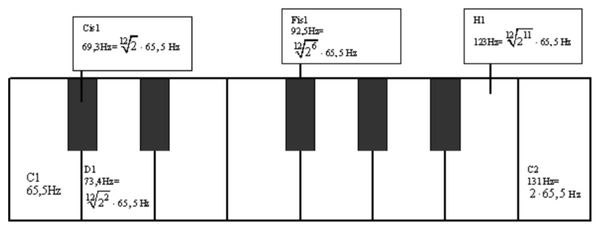
Analyze the sound produced by musical instruments by using the FFT spectrum analysis in this Slovenian-language article.

Researchers in Germany analyze road conditions for cyclists by using a smartphone accelerometer.
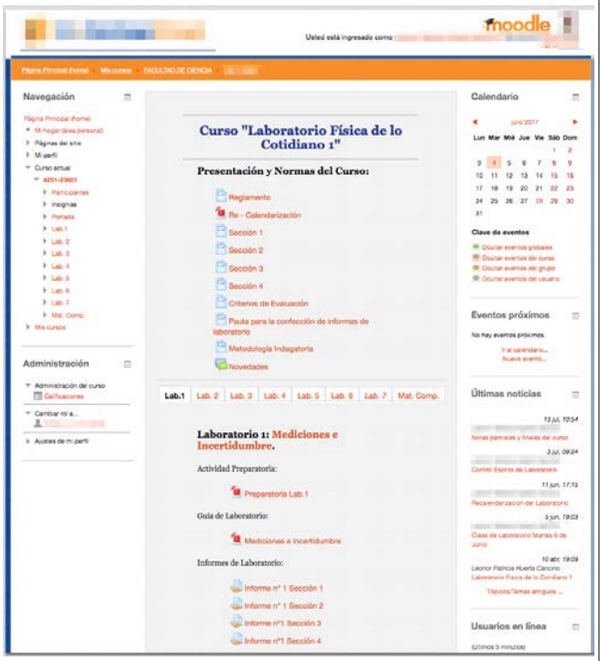
Teacher educators consider the use of mobile educational technology in preparation courses for future physics teachers in this Spanish-language article from Chile.
Girl Scouts: Physics Toolbox Play supports
Designing Robots badge
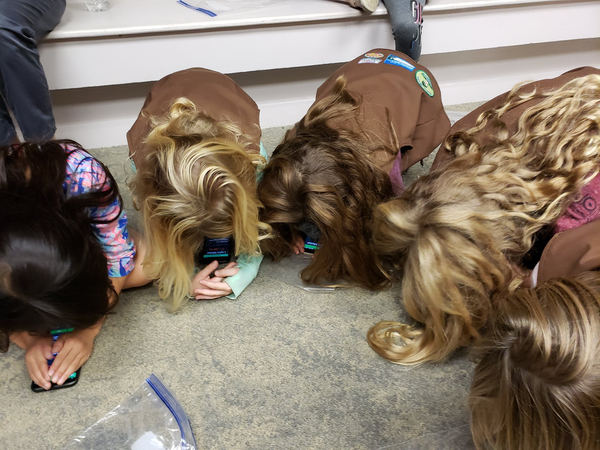
We recently visited a Brownie Girl Scout troop to support their earning of the Designing Robots badge, one of GSUSA's many cyber-themed activities. An essential component of this badge is to understand the role of sensors. To support this component, students discussed the importance of senses, completed Physics Toolbox Play challenges, built a small robot, and considered how it could be improved with sensors.
Have Physics Toolbox Apps been useful to you? We'd love to get your feedback on this quick 5-minute survey.
Have a great story to share about how you are using Physics Toolbox Apps? We'd love to feature you and your ideas in our newsletter or on our website! Drop us a message at any time to share your story.
Previous Newsletter Editions