Improving Visuospatial Skills
Improving Visuospatial Skills with Smartphones
Visualizing Magnetic Fields in 3-D
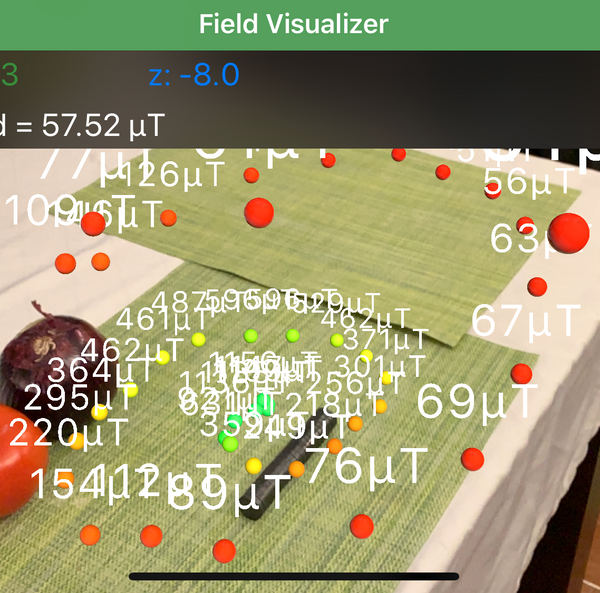
Magnetic (and electric) fields are often challenging to teach and understand because they exist in three dimensions. Typical introductory science textbooks will usually present only 2-D images, and one of the first experiences children have with magnets usually involves dropping iron filings over a 2-D paper sheet placed on top of a bar magnet.
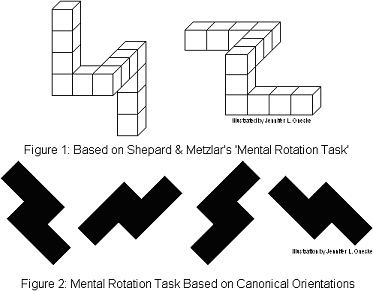
Curious about your own visuospatial skills? Try an online test. (Click the button below the black space in order to get started).
Custom Data Sample Rate
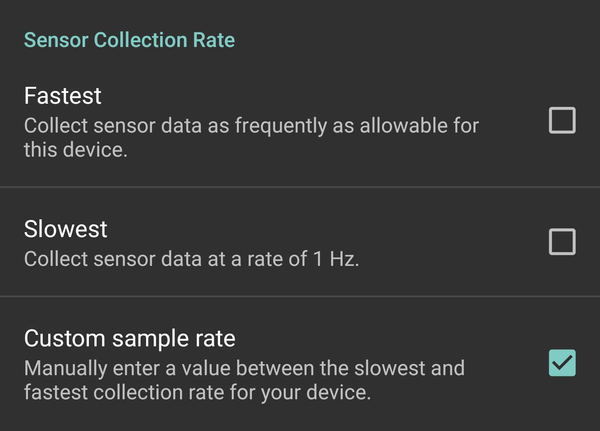
In response to our users, our Android suite apps now include new data collection rates: (1) Fastest (dependent upon hardware; value listed), (2) Slowest (1 Hz), and (3) Custom (available in Pro only). User might choose to modify rates based upon the amount of desired data collected (for example, to collect fewer data points over a long period). To change these rates, click on the Settings cog in the upper-right menu.
Get Physics Toolbox Sensor Suite (Android & iOS)
Get Physics Toolbox Sensor Suite Pro (Android)
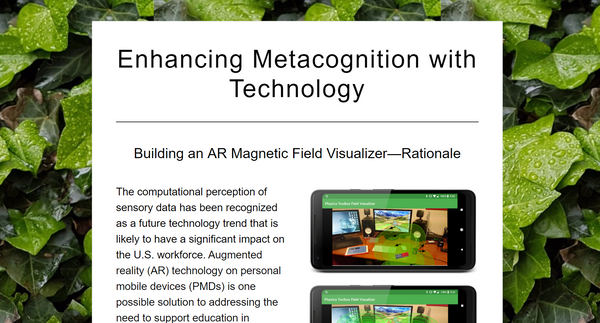
Building an AR Magnetic Field Visualizer—
The Vision and Challenges
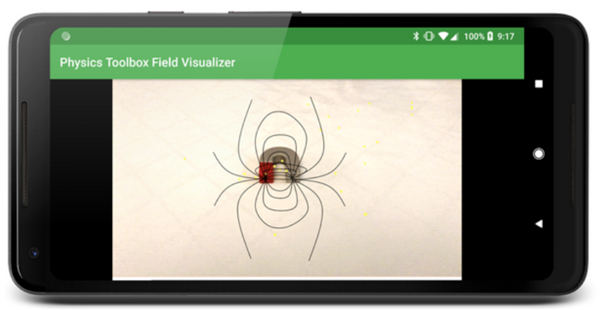
In this post (which is a follow-up to the blog featured in our last newsletter), we describe the challenges to visualizing magnetic fields in 3-D using AR technology.
One of the challenges in 3-D modeling in AR is "anchoring" the visualization to the ground despite the rotation of the phone...a problem similar to the "un-spillable" bowl in the video below!.
Clever Lab Ideas
We've seen a lot of ideas for using smartphones in introductory physics labs. See our Lessons Page for nearly 50 ideas. It's a rare find to get an idea we haven't seen before! The following are a few new ideas (or significantly modified ones) that we hope will be helpful if you are a teacher.
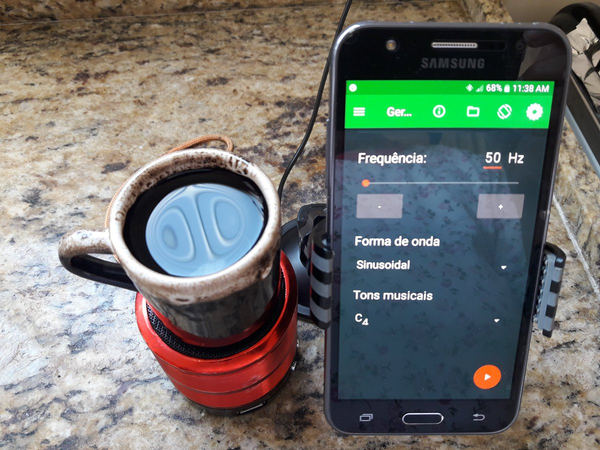
Brazilian Alberto Tufaile shared on Twitter this photo from his wife, illustrating how Physics Toolbox Tone Generator can be connected to a speaker and used to demonstrate standing waves in coffee.
This Spanish website has a number of lesson ideas using smartphones, including this one about exploring smartphone gyroscopes using a chair and using a salad spinner.
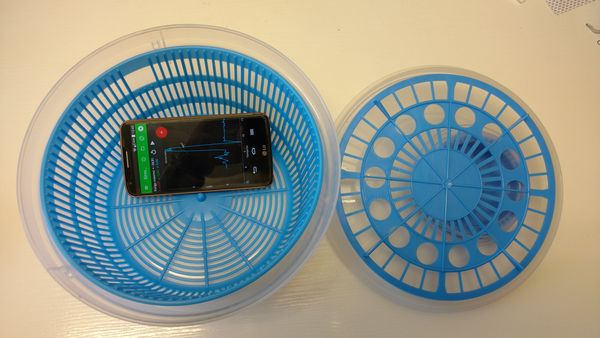
The blog above includes this great video clip that provides on analogy for how the gyroscope works. For more information about MEMS technology, click on the "(i)" button in the main menu for most sensor modes for a list of videos and websites that provide explanations.
Physics Toolbox Around the Web
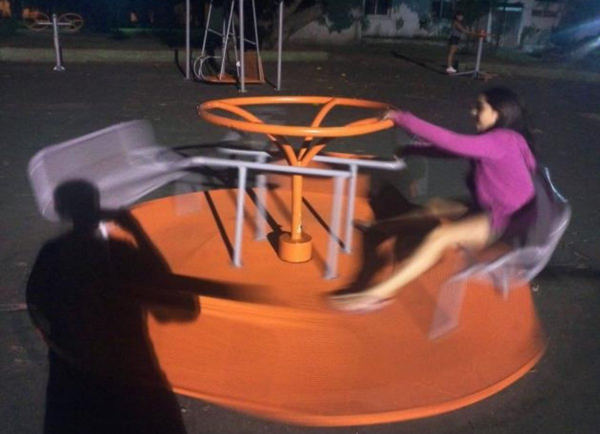
This article from Uruguay presents 15 lab ideas that use multiple sensors at once, including the use of the gyroscope in tandem with the accelerometer on a merry-go-round.

Estonian researchers affirm the utility of smartphones to perform assessments of human mobility, possibly replacing the need for 3-D camera-based analysis that can only be done in clinical settings.
Canadian researchers use Physics Toolbox gyroscope to assess the kinematic sensitivity of a cable-suspended robot.
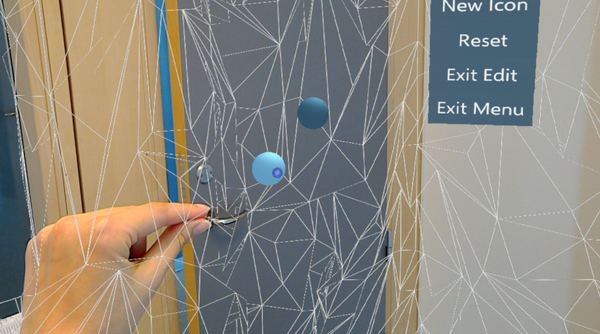
Swedish student Lillemor Blom of Linkshoping University uses Physics Toolbox Light Meter in her bachelor thesis to show how light intensity influences the performance of the HoloLens.
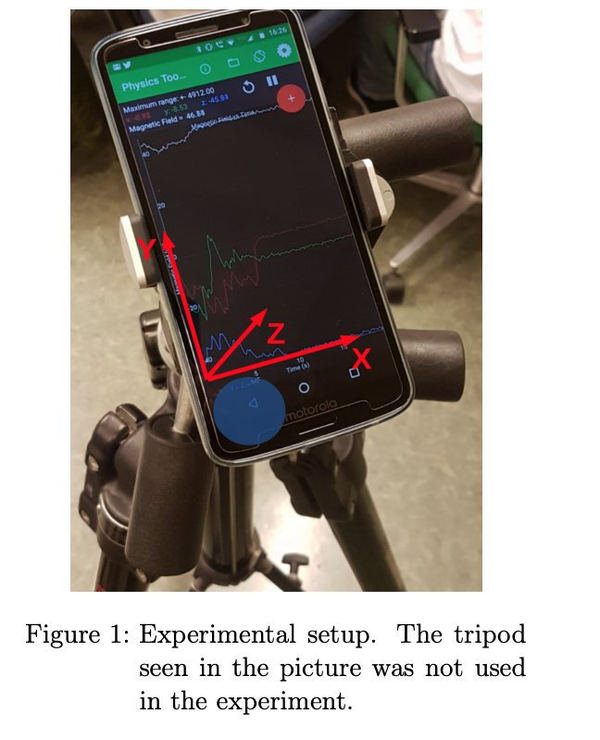
Have you noticed that the magnitude of the B-field (magnetic field) seems to vary with your device's orientation? Here's a potential explanation, with details about how to off-set the data.
Have Physics Toolbox Apps been useful to you? We'd love to get your feedback on this quick 5-minute survey.
Have a great story to share about how you are using Physics Toolbox Apps? We'd love to feature you and your ideas in our newsletter or on our website! Drop us a message at any time to share your story.
Previous Newsletter Editions