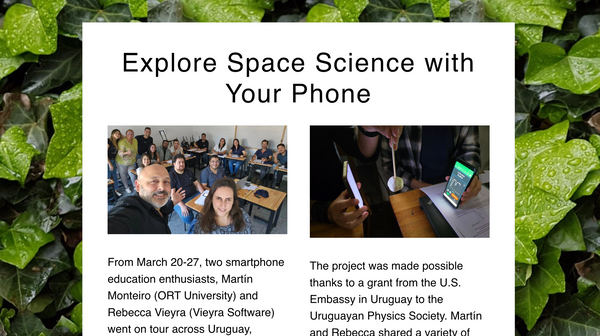
A New Free Course: Teaching Physics with Smartphones
A New Free Course: Teaching Physics with Smartphones

As one of our grants from the U.S. National Science Foundation comes to a close, our final activity was the creation of a new, free course for introductory physics teachers who want to know more about how to leverage smartphones for teaching and learning. This grant, awarded to the STEM teacher professional society the American Modeling Teachers Association, included Vieyra Software as a collaborating organization, and also resulted in the creation of the Motion Visualizer mode within Physics Toolbox.
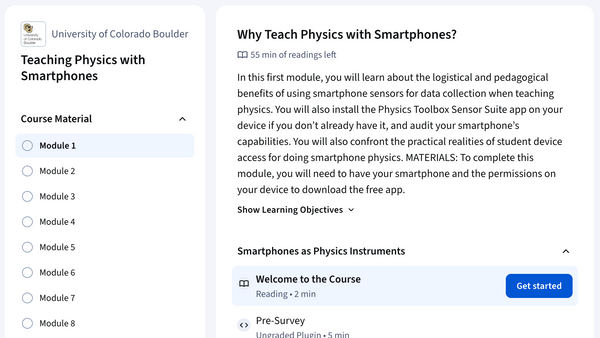
We invite you to join this new self-paced course, and share about it with your colleagues. Earn a free certificate validating 30 hours of professional development, and optionally request low-cost graduate credits through the University of Colorado Boulder.
In the Classroom
Smartphones Measure Magnetism in 3D
This exceedingly in-depth and high-quality video from YouTube producer Brainiac75 reviews the capacities and limitations of smartphone magnetometers using Physics Toolbox, while explaining the sometimes surprising nature of the Earth's magnetic field.
Get Outside with Sensors
The author of this article provides a framework for thinking about the benefits of smartphone sensor data for teaching about the outdoors: "their variability creates productive opportunities to teach uncertainty, scale, calibration, and the limits of inference."
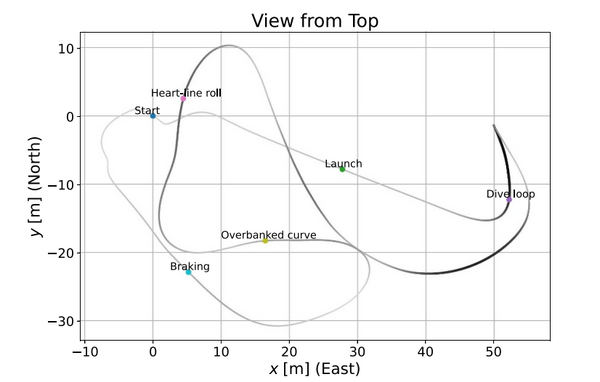
Reconstructing 3D Theme Park Ride Trajectories
Although raw smartphone data is regularly used by students at amusement parks to infer changes in forces, this study uses odometry and multiple sensors to precisely recreate a roller coaster trajectory.
Engineering Applications
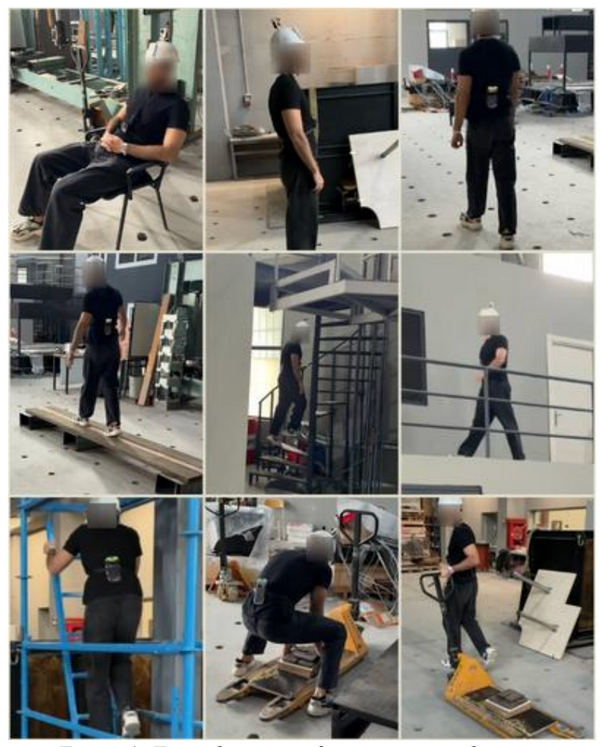
Data-Driven Safety and Productivity Measures in Construction
Engineers asked construction workers to use wearable sensors, including a smartphone, to train models to recognize employee activity patterns.
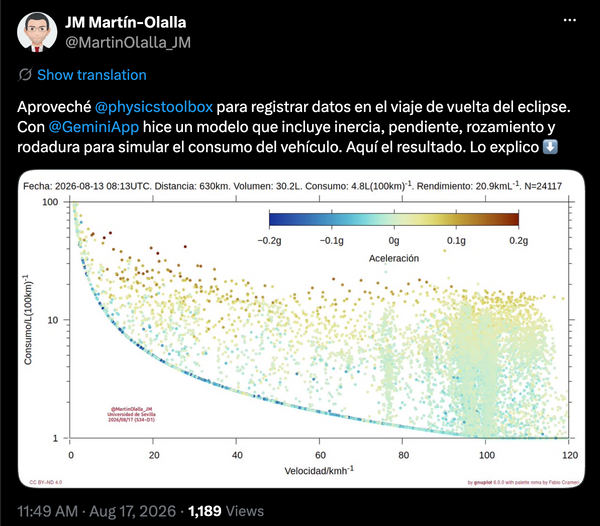
Fuel Economy and AI
@MartinOlalla_JM on X shared the outcome of a smartphone multi-sensor-based analysis of his car's motion during an extended trip. Using AI, he created an elaborate display showing the relationship between velocity and fuel economy.
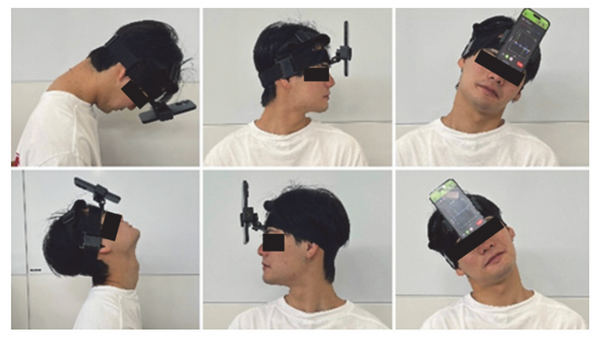
Helping Patients with Temporomandibular Disorders
Researchers in Japan use a head-mounted smartphone to measure patients' ranges of motion across various tasks.
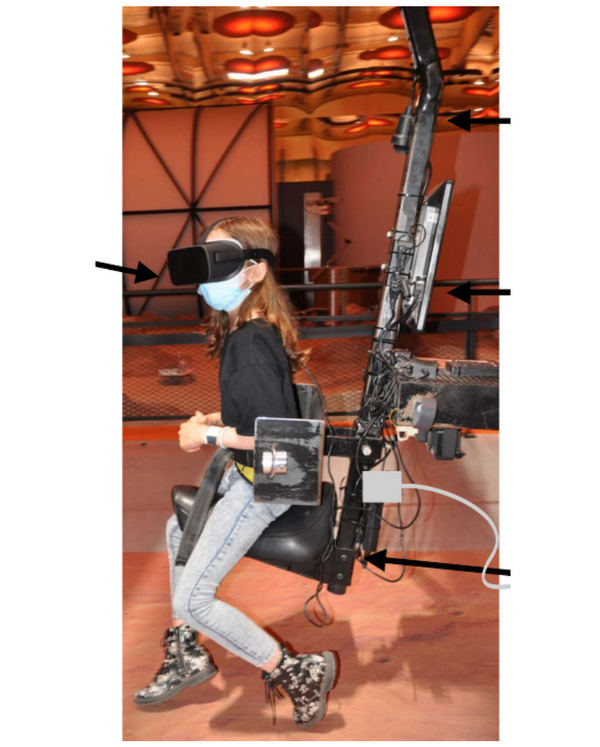
Moon and Mars Walking Gaits
This study uses Physics Toolbox's accelerometer at the Euro Space Center to understand how reduced gravity environments affect human gait.
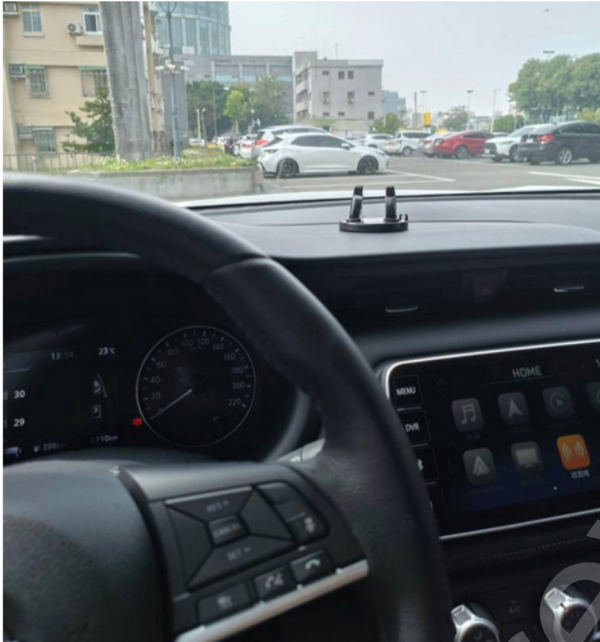
Age and Driving Distraction
Researchers used eye-tracking a Physics Toolbox's accelerometer to compare driving-related attention for younger and older drivers.
Have Physics Toolbox Apps been useful to you? We'd love to get your feedback on this quick 5-minute survey.
Have a great story to share about how you are using Physics Toolbox Apps? We'd love to feature you and your ideas in our newsletter or on our website! Drop us a message at any time to share your story.
Previous Newsletter Editions