New Features: Speedometer & Protractor
New Features:
Speedometer & Protractor
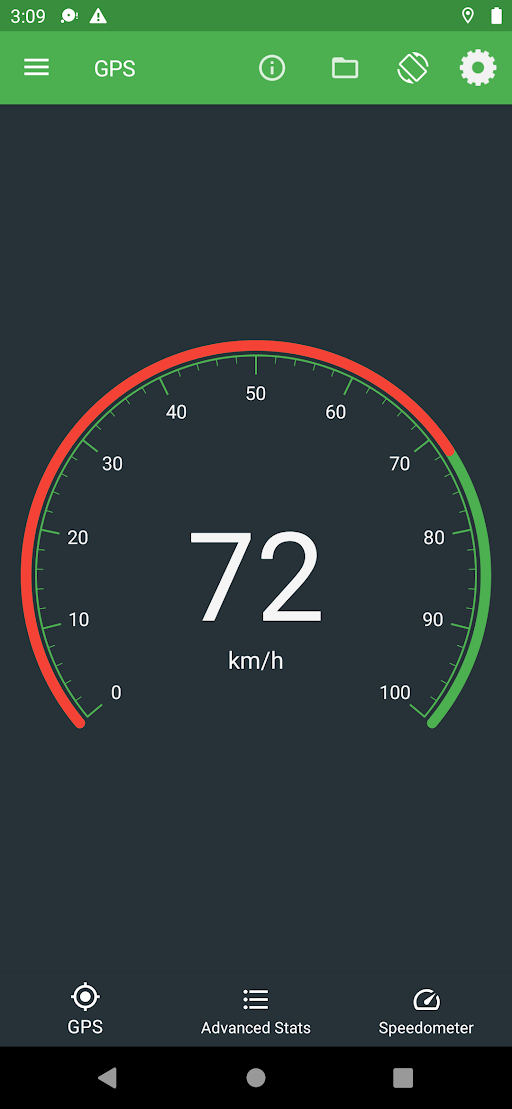
Android users will already notice that a Speedometer visualization (see left) is available in the GPS mode of the app. The iOS version will be updated with this feature in a few days!
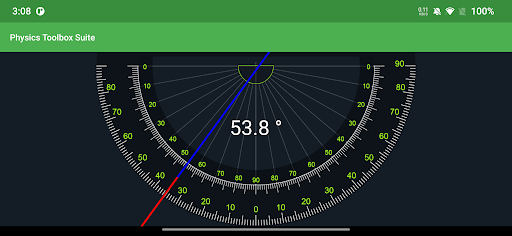
Both Android and iOS users will also soon see a new Protractor mode (see below). This feature will include a toggle button so that users can easily see the angle measured from the horizontal or the vertical (as is typical in many physics scenarios).
In the coming months, we also hope to have a LIDAR-based Distance Meter and Graph Match (position-time and velocity-time) tool that will be reasonably accurate between a few centimeters and 8 meters from the camera.
Drop us a note at support@vieyrasoftware.net to let us know if there are any other features we are missing!
Educational Applications
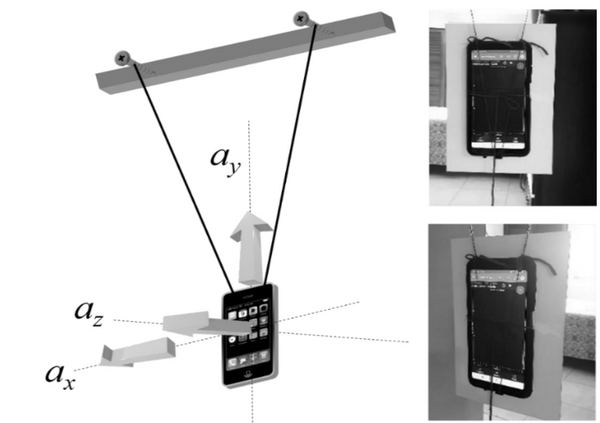
Damped Oscillations - A Smartphone Approach
This English-language article from educators in Panama and Brazil illustrate a simple pendulum lab.
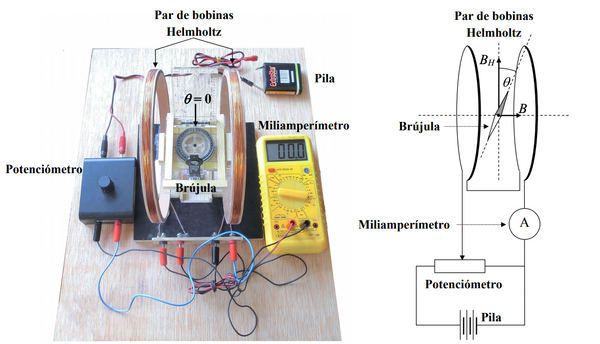
Helmholtz Coils and Smartphone Magnetometers
This classic laboratory experience in Spanish shows how to measure the Earth's magnetic field declination (horizontal deviation from geographic poles) and assess it against a smartphone magnetometer reading.
Teachers' Guide from Turin Planetarium
This Italian-language guide includes six simple experiences for using smartphone sensors with secondary level physics students.
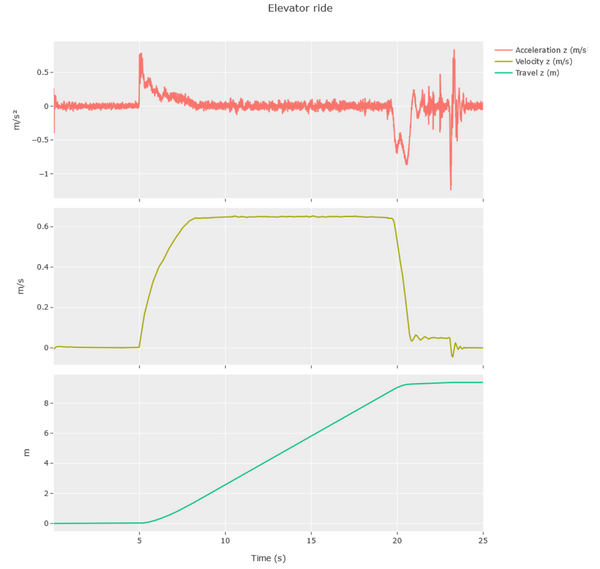
Low-Cost Sensor Data Collection in the Field - Using Your Smartphone and a Little Python
Export accelerometer data from a smartphone app to simply generate velocity-time and position-time graphs.
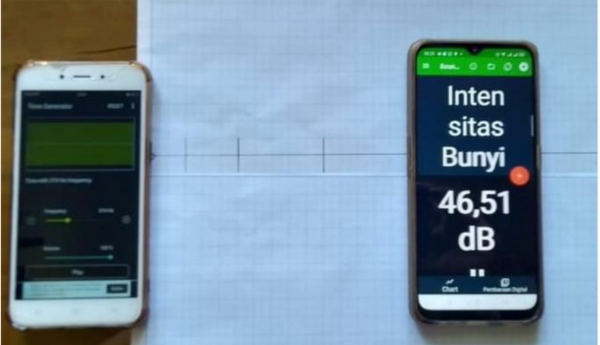
Home-Made Simple Experiment to Measure Sound Intensity Using Smartphones
This article demonstrates an experiment to explore the relationship between sound intensity as a function of distance and frequency of the source.
Spanish-Language Review of Smartphone Sensors During COVID-19
This brief Spanish-language video from the Educational Technology for Science Teaching (TEEC) group in Argentina reviews data they collected from students on their use of smartphones for science teaching, including the sensors and apps they most frequently used, the topics they studied with them, as well as how students analyzed exported data.
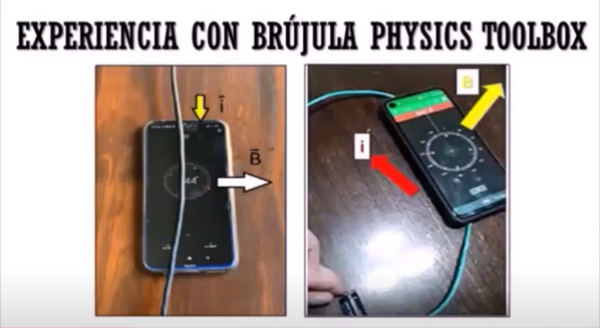
Oersted Experiment with Smartphones
Also from the TEEC group, see a visual of how to carry out the Oersted experiment to measure magnetic field disturbances caused by flowing electricity.
In the News
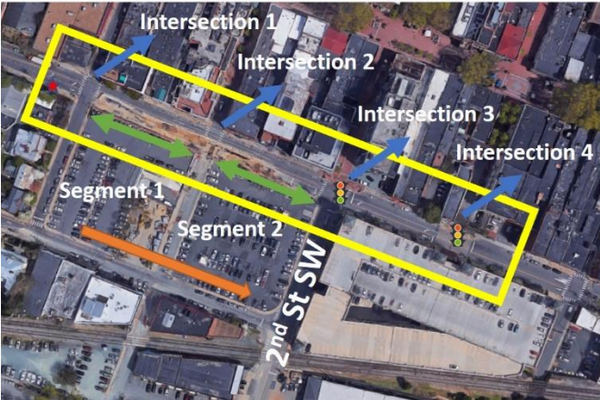
Improving Cyclist Safety
Researchers from the University of Virginia state that "there is very limited information and data on how different environmental or design features impact cyclists’ behaviors, attention, and awareness." This article uses Physics Toolbox as part of a monitoring system.
Have Physics Toolbox Apps been useful to you? We'd love to get your feedback on this quick 5-minute survey.
Have a great story to share about how you are using Physics Toolbox Apps? We'd love to feature you and your ideas in our newsletter or on our website! Drop us a message at any time to share your story.
Previous Newsletter Editions